
Blog
A Breakdown of Employer Obligations in Preventing Gender Discrimination
A Breakdown of Employer Obligations in Preventing Gender Discrimination
Gender discrimination at work can affect far more than a single job assignment or workplace interaction. When you're treated differently because of your gender, sex, pregnancy, gender identity, or related characteristics, you may begin questioning your career prospects, financial security, and ability to feel comfortable at work.

How Can Employees Document Sexual Harassment in the Workplace?
How Can Employees Document Sexual Harassment in the Workplace?
Experiencing sexual harassment at work can affect far more than your ability to get through a normal workday. You may dread interacting with a particular coworker or supervisor, worry about losing your job if you speak up, or question whether anyone will believe what happened.

Common Violations That Lead to Wrongful Termination Claims
Common Violations That Lead to Wrongful Termination Claims
Losing a job can be a painful and challenging experience, especially when you believe the termination was unfair or connected to illegal workplace conduct. A sudden job loss can affect financial stability, confidence, and future opportunities, which is why it’s important to understand what actions can contribute to a wrongful termination claim.

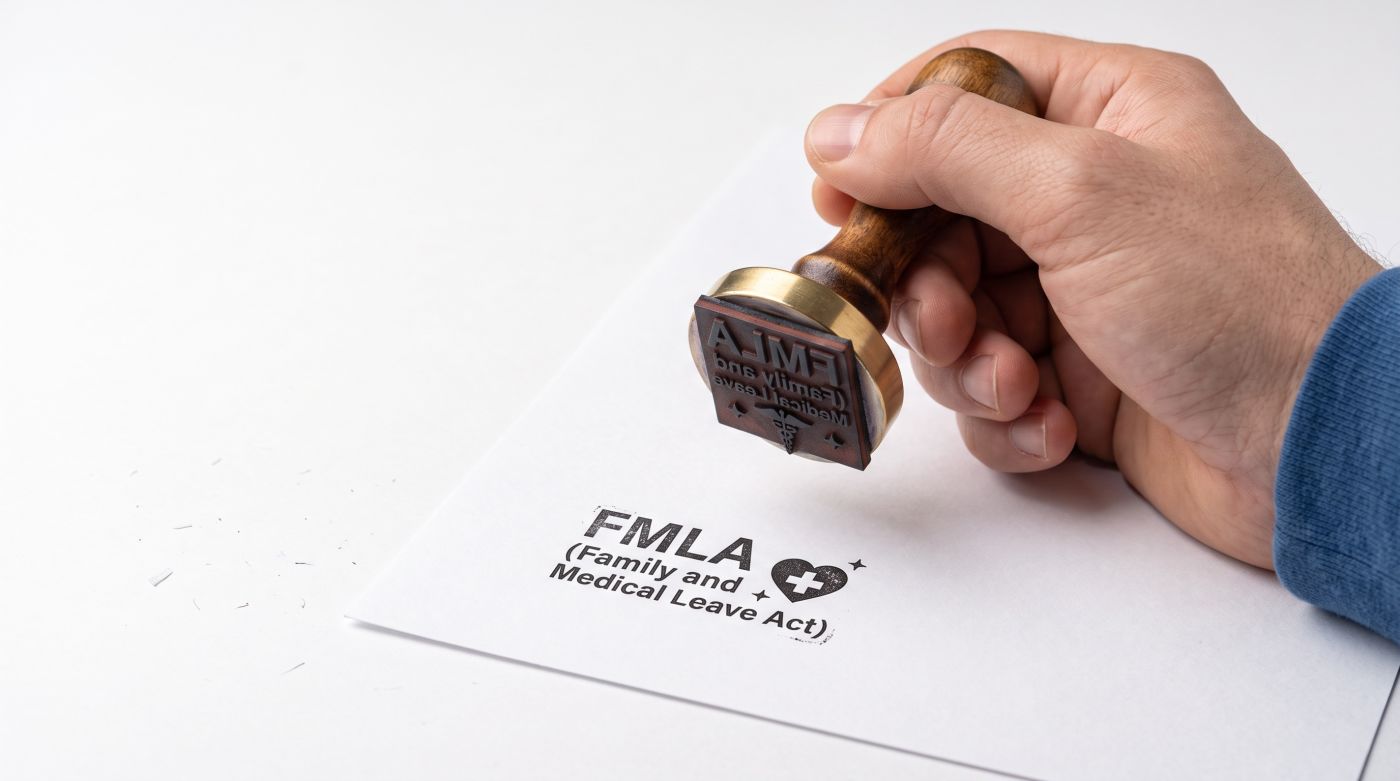
What Qualifies as Protected Leave Under FMLA and the California Family Rights Act?
What Qualifies as Protected Leave Under FMLA and the California Family Rights Act?
Facing a severe illness, welcoming a newborn, or caring for an ailing parent brings immense physical and emotional stress. While federal and state laws grant job-protected leave so you can take time away without fearing sudden job loss, determining whether your situation meets statutory FMLA qualifying conditions can feel confusing.
Key Steps to Take After Experiencing Retaliation at Work
Key Steps to Take After Experiencing Retaliation at Work
Speaking up against workplace wrongdoing, whether it is reporting sexual harassment, pointing out safety hazards, or uncovering financial fraud, takes immense courage. When your employer responds to your honesty by cutting your hours, demoting you, transferring you to an undesirable shift, or manufacturing poor performance reviews, it feels like a profound betrayal.

How Do Wage and Hour Laws Protect Employees from Unpaid Overtime?
How Do Wage and Hour Laws Protect Employees from Unpaid Overtime?
Pouring your energy into your job week after week represents a massive personal commitment. When you willingly sacrifice your personal time, late evenings, or weekends to help your employer meet a tight deadline, you expect to be compensated fairly for that extra labor.

Unequal Pay and Gender Bias: When Is It Illegal?
Unequal Pay and Gender Bias: When Is It Illegal?
Employees often recognize when something feels unfair at work. A woman may discover that a male coworker with the same responsibilities earns more money. Another employee may notice that promotions consistently go to men despite equal or stronger qualifications among women in the office.

What Evidence Is Needed to Prove Workplace Discrimination Claims?
What Evidence Is Needed to Prove Workplace Discrimination Claims?
Workplace discrimination can leave people feeling isolated, frustrated, and uncertain about what to do next. When someone is treated unfairly because of their race, gender, age, disability, religion, pregnancy, sexual orientation, or another protected characteristic, the emotional and financial impact can be serious.

Overtime Laws: Who Qualifies and Who Doesn’t?
Overtime Laws: Who Qualifies and Who Doesn’t?
For many workers, the thought of working long hours without proper compensation can be frustrating and stressful. Being unsure whether you qualify for overtime pay can leave you feeling overlooked or taken advantage of, especially when bills, family obligations, and daily responsibilities pile up.

Can Off-Site Behavior Count as Workplace Harassment?
Can Off-Site Behavior Count as Workplace Harassment?
Many employees struggle with uncertainty when it comes to behavior outside of the office that affects their work environment. It can be difficult and stressful to determine if off-site interactions, such as online messages, social gatherings, or social media activity, fall under the category of workplace harassment.